Table of Contents
Asphalt shingles are one of the most popular roofing materials for homes in Columbia, MD because they offer a practical combination of durability, affordability, and curb appeal. However, like any roofing material, asphalt shingles can develop problems over time. Maryland weather, strong winds, heavy rain, snow, humidity, temperature changes, and long-term sun exposure can all affect the condition of a shingle roof. Some roofing problems are easy to spot, while others can develop underneath the shingles and remain unnoticed until they cause a leak or other damage. Knowing what to look for can help homeowners address minor issues before they turn into costly roof repairs. Whether your roof is relatively new or has been protecting your home for many years, understanding common asphalt shingle problems can help you make better decisions about maintenance, repairs, and replacement.
Why Do Asphalt Shingles Develop Problems in Columbia, MD?
Asphalt shingles are designed to withstand normal outdoor conditions, but they are constantly exposed to the elements. Over time, this exposure can weaken roofing materials and reduce their ability to protect the structure underneath.
In Columbia, MD, homeowners may experience several conditions that contribute to roof deterioration. Summer heat and UV exposure can cause shingles to age, while winter freezing temperatures can contribute to cracking and other damage. Heavy rain can expose weaknesses in the roofing system, and strong winds can loosen or remove shingles.
The age of the roof, quality of the shingles, ventilation, installation quality, and previous storm damage can also affect how well a roof performs.
What Are the Most Common Asphalt Shingle Problems?
Several problems appear repeatedly on asphalt shingle roofs. Some are primarily cosmetic, while others can affect the roof’s ability to keep water out.
Curling and Buckling Shingles
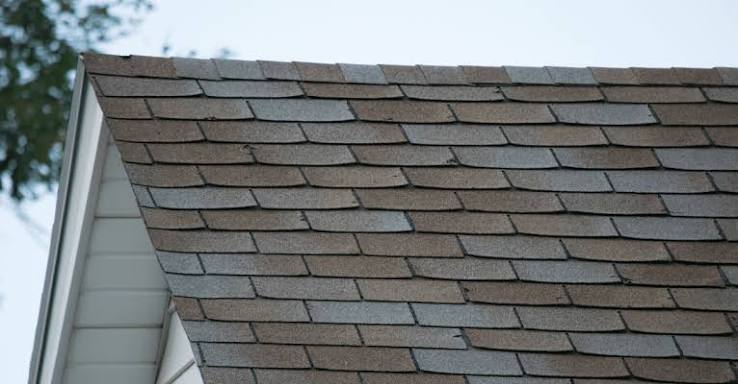
Curling or buckling shingles are among the most noticeable signs that a roof may be experiencing problems. Shingles may begin to curl at the edges, develop raised areas, or appear wavy instead of lying flat.
Several factors can contribute to this issue, including aging materials, inadequate attic ventilation, improper installation, and prolonged exposure to moisture and heat.
Buckled or curled shingles may be more vulnerable to wind and water infiltration. If the problem affects a large portion of the roof, it may indicate that a professional roof inspection is necessary.
Cracked or Split Asphalt Shingles
Asphalt shingles can develop cracks as they age. Repeated temperature changes can cause roofing materials to expand and contract, eventually contributing to deterioration.
Cracks may also occur after severe weather or physical impact. Small cracks should not automatically be ignored because damaged shingles can allow moisture to reach the layers underneath.
If you notice cracked shingles across multiple areas of your roof, a professional can determine whether isolated roof repairs are sufficient or whether more extensive work is needed.
Missing or Blown-Off Shingles
Strong winds can loosen or completely remove asphalt shingles, especially when shingles are already aged or improperly secured. Missing shingles leave portions of the roof deck and underlayment more exposed to rain and other weather conditions.
After a significant storm, it is worth checking for visible missing shingles from a safe location. You may also notice pieces of roofing material around your property.
A missing shingle should be addressed promptly. Waiting too long can increase the risk of water infiltration and additional roofing damage.
Granule Loss
The small granules covering asphalt shingles provide protection against sunlight and weather exposure. Over time, some granule loss is normal, particularly as shingles age.
However, excessive granules in gutters or around downspouts can indicate that shingles are deteriorating. Bare or noticeably exposed areas on shingles may also be a warning sign.
Significant granule loss can reduce the roof’s protection and may indicate that the shingles are approaching the end of their useful service life.
Roof Leaks Around Shingles
Roof leaks are among the most serious problems homeowners can encounter. Water may enter through damaged, missing, cracked, or improperly installed shingles. However, the source of a leak is not always directly above the water stain inside the house.
Signs of a potential roof leak can include:
- Water stains on ceilings or walls
- Damp areas in the attic
- Peeling paint
- Moisture around roof penetrations
- Visible damaged shingles
- Musty odors in attic spaces
A small leak can eventually contribute to wood deterioration, insulation problems, and interior damage. Prompt roof repair can help limit the extent of the problem.
Algae and Dark Streaks
Dark streaks or stains on asphalt shingles are common on roofs exposed to moisture. In many cases, these marks are associated with algae growth.
Although discoloration may not immediately mean that the roof is failing, persistent moisture and biological growth can affect the appearance of the roof and may indicate conditions that deserve attention.
Homeowners should avoid aggressive cleaning methods that can damage the protective surface of asphalt shingles. Professional assessment and appropriate cleaning methods are safer options when roof staining becomes a concern.
Shingle Blistering
Blisters appear as small raised areas on the surface of asphalt shingles. They can develop as a result of moisture or other conditions affecting the roofing material.
Not every blister requires immediate roof replacement, but widespread blistering may be a sign that the shingles are deteriorating. If the surface breaks open, the underlying material can become more exposed to weather.
A roofing professional can inspect blistered shingles and determine whether repair, maintenance, or replacement is appropriate.
How Does Maryland Weather Affect Asphalt Shingles?
Weather is a major factor in the lifespan and condition of a roofing system. Columbia, MD experiences seasonal changes that can put repeated stress on asphalt shingles.
Summer heat and UV radiation can gradually age roofing materials. Heavy rain can expose weak points, while winter temperatures and freeze-thaw cycles can contribute to cracking and deterioration.
Strong winds can lift shingles, particularly along roof edges and other vulnerable areas. Severe storms may also cause impact damage or remove sections of roofing material.
Because weather-related damage can occur quickly, homeowners should inspect their roofs after major storms and address visible issues before they worsen.
How Can You Tell If Asphalt Shingles Need Repair?
Not every roofing problem requires a complete replacement. In some situations, timely repairs can restore the roof and prevent further damage.
Look for warning signs such as curling shingles, missing shingles, cracked surfaces, exposed areas, excessive granule loss, damaged flashing, or signs of water infiltration.
The age of the roof also matters. A newer roof with isolated storm damage may only require targeted repairs. An older roof with widespread deterioration may require a different solution.
If you are unsure about the condition of your roof, a professional inspection can help identify problems that may not be visible from the ground.
When Should You Replace Damaged Asphalt Shingles?
Roof replacement may be appropriate when damage is widespread, shingles have reached the end of their service life, or repairs are becoming increasingly frequent.
A few damaged shingles do not necessarily mean the entire roof needs to be replaced. However, extensive curling, cracking, missing shingles, granule loss, or repeated leaks can indicate that the roofing system is no longer performing effectively.
Other factors to consider include the roof’s age, previous repairs, condition of the roof deck, ventilation, and extent of water damage.
An experienced roofing contractor can evaluate the entire system and explain whether asphalt shingle repair or replacement is the more practical option.
Can Poor Installation Cause Asphalt Shingle Problems?
Yes. The quality of installation can have a major impact on how an asphalt shingle roof performs.
Improper nail placement, inadequate flashing, poor ventilation, incorrect shingle alignment, and failure to follow manufacturer installation requirements can contribute to premature roofing problems.
Even high-quality shingles may not perform as expected when they are installed incorrectly. Professional asphalt shingle installation helps ensure that the roofing materials are properly secured and that important areas such as valleys, edges, vents, and roof penetrations receive appropriate attention.
For homeowners considering a new roof, choosing an experienced roofing contractor is an important part of protecting the investment.
How Can Homeowners Prevent Asphalt Shingle Problems?
Regular maintenance can help homeowners identify roofing issues before they become major problems.
Keep gutters and downspouts clear so water can drain properly. Trim tree branches that hang over the roof, particularly where they could scrape shingles or fall during storms.
It is also useful to inspect the roof after severe weather. Look for missing shingles, visible damage, debris, or other changes. Homeowners should avoid walking on the roof themselves because doing so can create additional damage or create a safety risk.
Regular professional roof inspections can identify problems that are difficult to see from ground level. Addressing small issues early can help extend the life of an asphalt shingle roof.
Should You Repair or Replace Your Asphalt Shingle Roof?
The right choice depends on the extent and type of damage.
Roof repair may make sense when the damage is limited to a small area and the remaining shingles are in good condition. Replacing a few missing or damaged shingles can sometimes restore the roof’s performance without requiring a complete replacement.
Roof replacement may be more appropriate when damage is widespread or the roof is nearing the end of its service life. Replacing an aging roof can also make more sense when the homeowner is experiencing repeated leaks or frequent repair needs.
A professional inspection is the best way to understand the condition of your roofing system before making a decision.
Why Choose Professional Asphalt Shingle Installation in Columbia, MD?
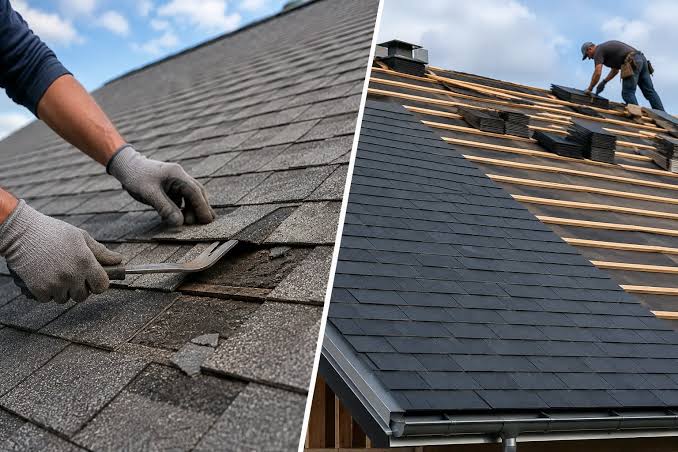
Proper installation is essential for getting reliable performance from an asphalt shingle roof. A professional roofing contractor can evaluate the property, recommend appropriate roofing materials, and install the system according to accepted roofing practices and manufacturer requirements.
Professional installation also involves more than simply placing shingles on the roof. Proper attention must be given to flashing, roof edges, valleys, ventilation, underlayment, and other components that work together to protect the home.
For homeowners planning a new roof or dealing with an aging roofing system, Columbia Roofing can help with professional roofing solutions in Columbia, MD. For questions about your roofing needs, call (607) 247-9580.
Conclusion
Asphalt shingles provide dependable protection, but they are not immune to weather, aging, installation issues, and normal wear. Curling, cracking, missing shingles, granule loss, blistering, algae growth, and leaks are among the common problems Columbia, MD homeowners may encounter.
The key is not to ignore small warning signs. A damaged shingle or minor leak can become a much larger roofing issue when left untreated. Regular maintenance, professional inspections, timely repairs, and quality installation can all help protect your home and extend the life of your roof.
If your asphalt shingles are showing signs of damage or you are considering a new asphalt shingle installation in Columbia, MD, a professional roofing assessment can help you understand your options and choose the right solution for your property.
FAQs
What causes asphalt shingles to curl?
Curling can result from aging, excessive heat, poor attic ventilation, moisture, or installation problems. If you notice widespread curling, have the roof professionally inspected.
How long do asphalt shingles typically last in Maryland?
The lifespan depends on the shingle type, installation quality, ventilation, maintenance, weather exposure, and other factors. Regular inspections can help identify when roofing materials are beginning to deteriorate.
Can strong winds damage asphalt shingles?
Yes. Strong winds can lift, loosen, or remove shingles, particularly when roofing materials are already aged or damaged. Inspecting the roof after severe weather can help identify storm-related problems.
How do I know if missing shingles are causing a roof leak?
Water stains, damp attic areas, peeling paint, and moisture around ceilings or walls can indicate a leak. Missing shingles should be repaired promptly even if you have not noticed interior water damage.
How often should I have my asphalt shingle roof inspected?
Regular inspections can help identify developing problems before they become expensive repairs. It is especially important to have the roof checked after severe storms or when you notice visible signs of damage.
Leave a Reply