Table of Contents
Columbia, Maryland’s mix of established neighborhoods and newer custom builds has made homeowners increasingly selective about roofing materials that combine longevity with visual character. Clay tile installation in Columbia has become one of the most requested upgrades among Howard County homeowners looking to move beyond standard asphalt shingles, and the reasons go well beyond looks. Columbia Roofing handled clay tile installation in Columbia and the surrounding area long enough to see exactly why this material earns its reputation as a premium, long-term investment rather than just an aesthetic choice.
What Is Clay Tile Roofing?
Clay tile roofing is made from natural clay that’s shaped and kiln-fired at high temperatures, producing a dense, weather-resistant tile that has been used in residential construction for centuries. It’s often confused with concrete tile, but the two behave differently over time. Clay tiles hold their color permanently because the pigment is baked into the material itself, while concrete tiles rely on a surface coating that can fade or wear down. Clay also tends to be lighter and more resistant to efflorescence (the white mineral staining sometimes seen on concrete roofing). For homeowners comparing long-term roofing materials, this distinction matters more than it first appears.
Top Reasons Columbia Homeowners Choose Clay Tile
Exceptional Durability
A properly installed clay tile roof routinely lasts 50 years or more, with many historic installations still performing well past the century mark. Clay is naturally resistant to rot, insect damage, and the freeze-thaw stress that shortens the lifespan of other materials in Maryland’s variable climate. Where asphalt shingles typically need replacement every 15 to 20 years, a clay tile roof is often a one-time investment for the life of the home.
Energy Efficiency for Maryland’s Climate
Columbia sees hot, humid summers and cold winters, and clay tile handles both extremes well. The tiles’ natural thermal mass and the airflow created underneath them (through proper batten installation) help regulate attic temperatures, reducing strain on HVAC systems during peak summer months. Homeowners often notice a measurable difference in cooling costs after switching from asphalt to clay.
Fire Resistance
Clay tile carries a Class A fire rating, the highest available for roofing materials. This is a meaningful safety consideration for homeowners, and in some cases it can also translate into lower homeowners insurance premiums, depending on the carrier.
Low Maintenance Over Time
Unlike asphalt shingles, which need periodic inspection for granule loss, curling, and moss buildup, clay tile requires very little upkeep beyond occasional debris clearing and checking for cracked or displaced tiles after severe weather. The material itself doesn’t degrade the way organic shingle materials do.
Aesthetic Value and Curb Appeal
Clay tile gives homes a distinct, textured roofline that’s difficult to replicate with other materials. It suits Mediterranean, Spanish colonial, and custom architectural styles particularly well, and it’s increasingly showing up on more traditional Columbia homes as a way to stand out. Real estate agents in the area frequently note that a clay tile roof is a strong resale point, since buyers associate it with a well-maintained, higher-end property.
Environmentally Friendly Material
Clay is a natural, non-synthetic material that doesn’t off-gas or leach chemicals, and it’s fully recyclable at the end of its service life. For homeowners prioritizing sustainable building materials, clay tile is one of the more environmentally responsible roofing choices available.
Clay Tile vs Other Roofing Materials
| Factor | Clay Tile | Asphalt Shingles | Concrete Tile |
| Lifespan | 50+ years | 15–20 years | 30–50 years |
| Weight | Moderate | Light | Heavy |
| Maintenance | Low | Moderate | Low |
| Upfront Cost | Higher | Lower | Moderate |
| Color Retention | Permanent (kiln-fired) | Fades over time | Can fade (coated) |
Asphalt shingles remain the cheaper upfront option, which is why they’re still the most common roofing material in Columbia. But homeowners planning to stay in their home long-term often find that clay tile’s lifespan offsets the higher initial cost when measured over decades rather than years. Compared to concrete tile, clay is generally lighter and holds its color better, though concrete can be a reasonable middle-ground option for homes where budget or structural weight capacity is a concern.
Is Clay Tile Right for Your Columbia Home?
Not every home is an automatic fit for clay tile, and this is where a proper roofing consultation matters. The tiles are heavier than asphalt shingles, so the roof structure needs to be evaluated to confirm it can support the additional load — this is especially relevant for older Columbia homes that weren’t originally built with tile roofing in mind. Budget is another honest factor: clay tile is a premium material, and homeowners should weigh the higher upfront cost against the decades of reduced maintenance and replacement expense that follow. Some Columbia neighborhoods also have HOA architectural guidelines that address roofing materials and colors, so it’s worth checking those requirements before finalizing a decision.
The Clay Tile Installation Process
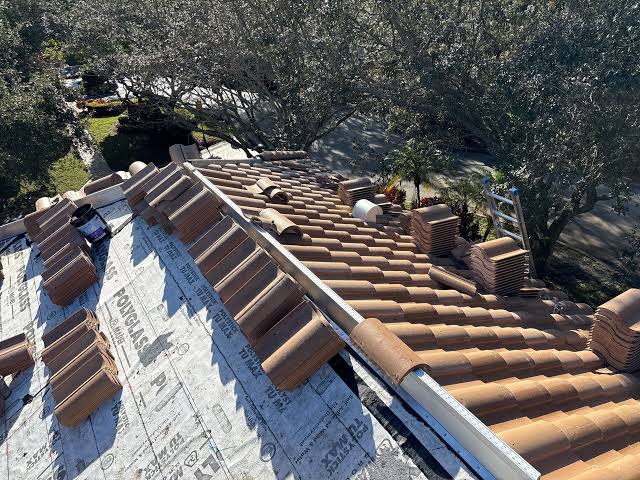
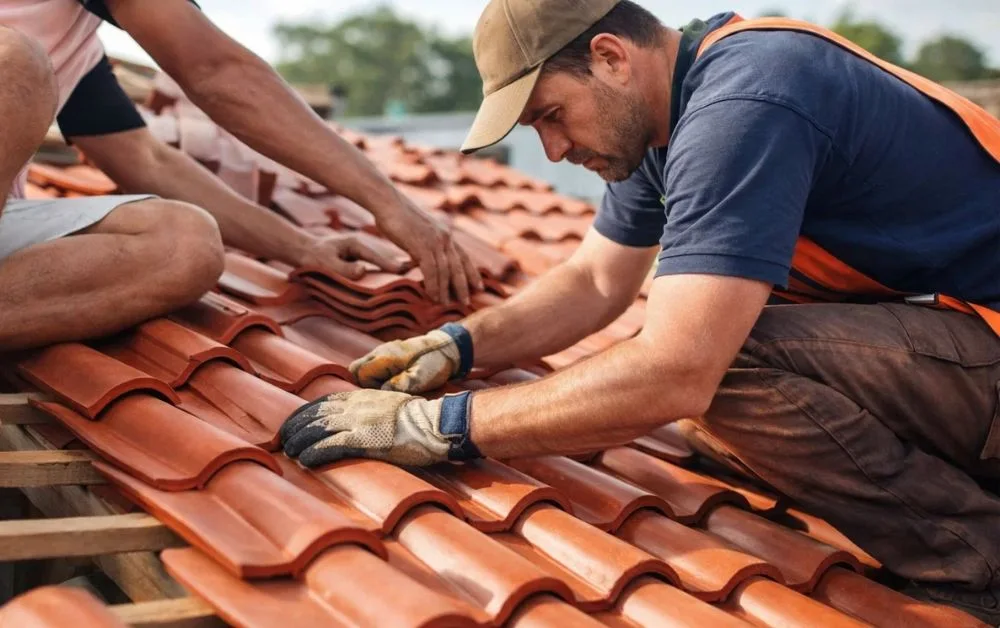
A clay tile installation typically starts with a full roof inspection to assess the existing structure and confirm it can handle the tile load, followed by any necessary reinforcement work. From there, installers apply a high-quality underlayment designed to work specifically with tile roofing, since this layer is doing much of the waterproofing work beneath the tiles themselves. Battens are then installed to create the airflow channel that supports clay tile’s energy efficiency benefits, and the tiles are laid and secured according to the roof’s pitch and local wind-load requirements. Because of the precision this process requires, clay tile is not a material where DIY installation or hiring an inexperienced crew makes sense improper installation is one of the few things that can shorten an otherwise multi-generational roof’s lifespan.
Cost of Clay Tile Roofing in Columbia, Maryland
Clay tile installation costs more upfront than asphalt, generally running higher per square foot once material and specialized labor are factored in. On average, homeowners can expect to pay between $10 and $22 per square foot installed, which puts a typical 2,000-square-foot roof in the $20,000 to $44,000 rangeThe average cost to install a clay tile roof in 2026 ranges from $11.00 to $22 per square foot, or $1,100 to $2,200 per roofing square (100 square feet). For a 2,000-square-foot roof, homeowners can expect to pay between $22,000 and $44,000, depending on the roof’s complexity, labor, and local pricing. Exact pricing depends on the size and pitch of the roof, the specific tile profile chosen, and any structural reinforcement the home might need. While it’s a larger initial investment, homeowners should weigh it against the near-total elimination of the shingle replacement cycle that comes with asphalt roofing.
Why Choose Columbia Roofing for Your Clay Tile Installation
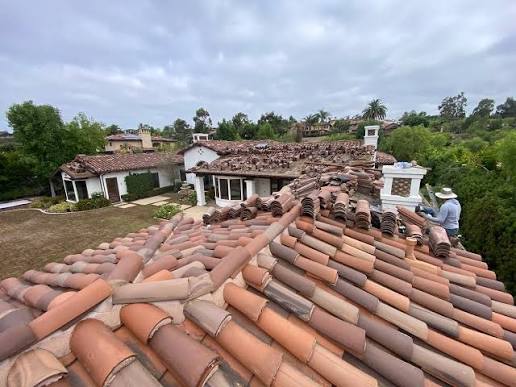
Clay tile installation is a specialized skill, and getting it wrong can undermine the very durability that makes the material worth choosing in the first place. Columbia Roofing has handled clay tile installations across Howard County and understands the structural, climate, and local code considerations specific to this area. We evaluate every roof individually before recommending clay tile, so homeowners get a straightforward assessment of whether it’s the right fit for their home rather than a one-size-fits-all sales pitch.
Ready to Explore Clay Tile for Your Home?
If you’re weighing clay tile against other roofing options for your Columbia home, Columbia Roofing can walk you through a full assessment of your roof’s structure, your budget, and which material makes the most sense long-term. For expert clay tile installation in Columbia, reach out to our team (607) 247-9580 for a consultation and get a clear, honest recommendation.
FAQs
How long does clay tile roofing last?
Clay tile roofs commonly last 50 years or more with proper installation and basic maintenance, and many last significantly longer.
Is clay tile roofing expensive to install?
It costs more upfront than asphalt shingles, but its extended lifespan and low maintenance needs often make it more cost-effective over the long run.
Can clay tile handle Maryland winters?
Yes. Quality clay tile is manufactured to resist freeze-thaw cycles, though homeowners in colder climates should confirm they’re getting tile rated for freeze-thaw resistance rather than a warm-climate-only product.
Does clay tile increase home value?
Generally, yes. It’s often viewed by buyers as a premium, low-maintenance roofing upgrade, which can support both resale value and curb appeal.
Leave a Reply